Historisk förekomst av fjällgås Anser erythropus i den atlantiska flyttningskorridoren
DOI:
https://doi.org/10.34080/os.v18.22671Nyckelord:
migration, flyttfåglar, populationsstudier, beteendeAbstract
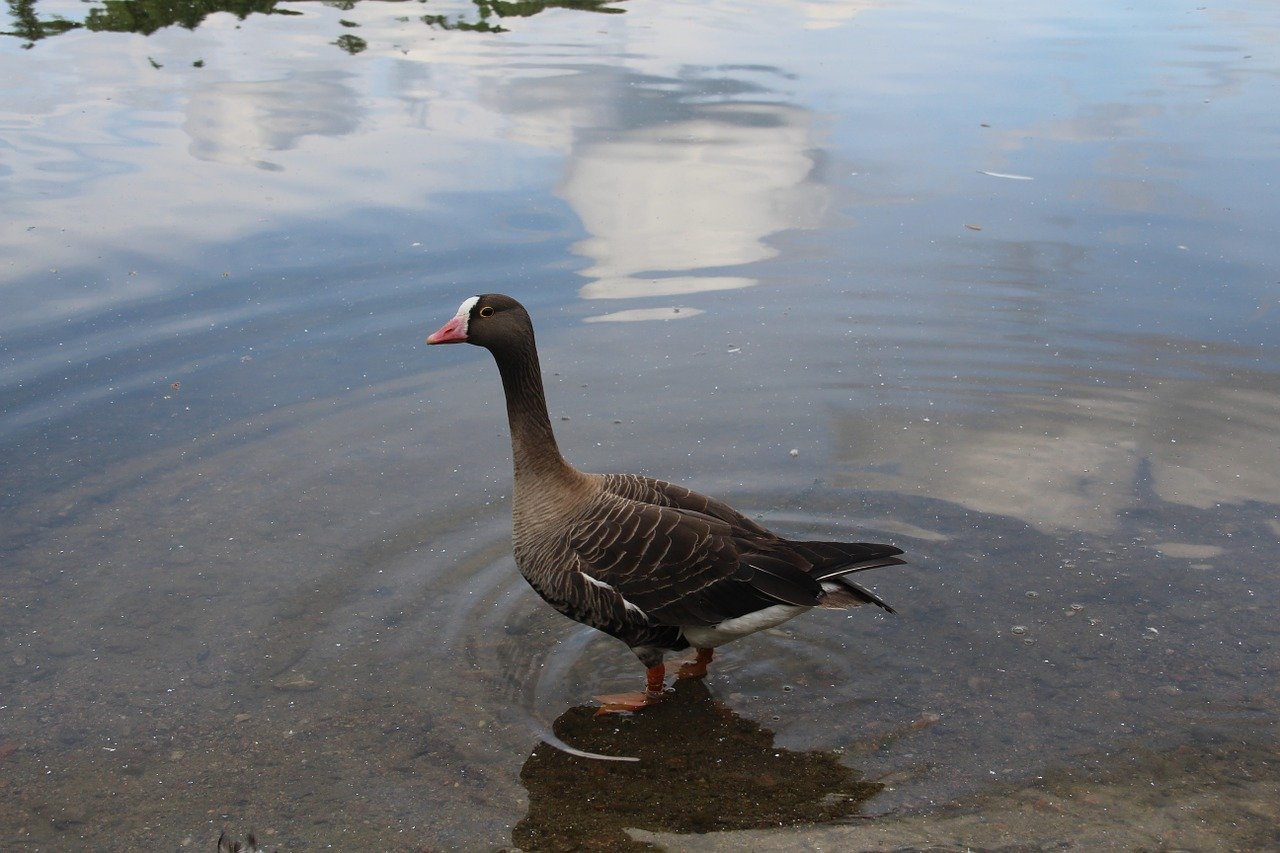
The aim of this study was to discern, by the use of mainly published sources, if there once was one or more migration routes of the Lesser White-fronted Goose in the Atlantic flyway, or if all occurrence there can be explained by vagrancy. Available data were insufficient to delineate migration routes within the Atlantic flyway, south of the former breeding range. Regular occurrence at frequently checked sites, and numbers involved as well, especially in the 1960’s, strongly indicates, however, that such routes have existed. The species was still migrating through South Sweden and wintering in north-western Europe in low numbers when releases started in Swedish Lapland. So, there is no scientific basis to state that these released Lesser White-fronted Geese follow an unnatural migration route. Instead, it is more than likely that they revived a traditional route.
Nedladdningar
Nedladdningar
Publicerad
Nummer
Sektion
Licens
Författaren/författarna innehar copyright för varje enskilt bidrag, men samtliga bidrag är publicerade under en Creative Commons-licens, så att vem som helst kan dela och återanvända bidraget förutsatt att copyright-innehavaren erkänns.